Worried About Falling Behind on Your Pittsburgh Home Expenses? Understand Your Reverse Mortgage Options
Receiving a property tax bill, homeowners insurance renewal, or unexpected repair estimate can be stressful when retirement income is limited.
For Pittsburgh seniors living on Social Security, pensions, or retirement savings, even routine homeownership expenses can become difficult to manage.
The situation may be particularly frustrating when you own a valuable property but have limited cash available.
If you are concerned about maintaining your home and covering essential expenses, a reverse mortgage may be worth investigating.
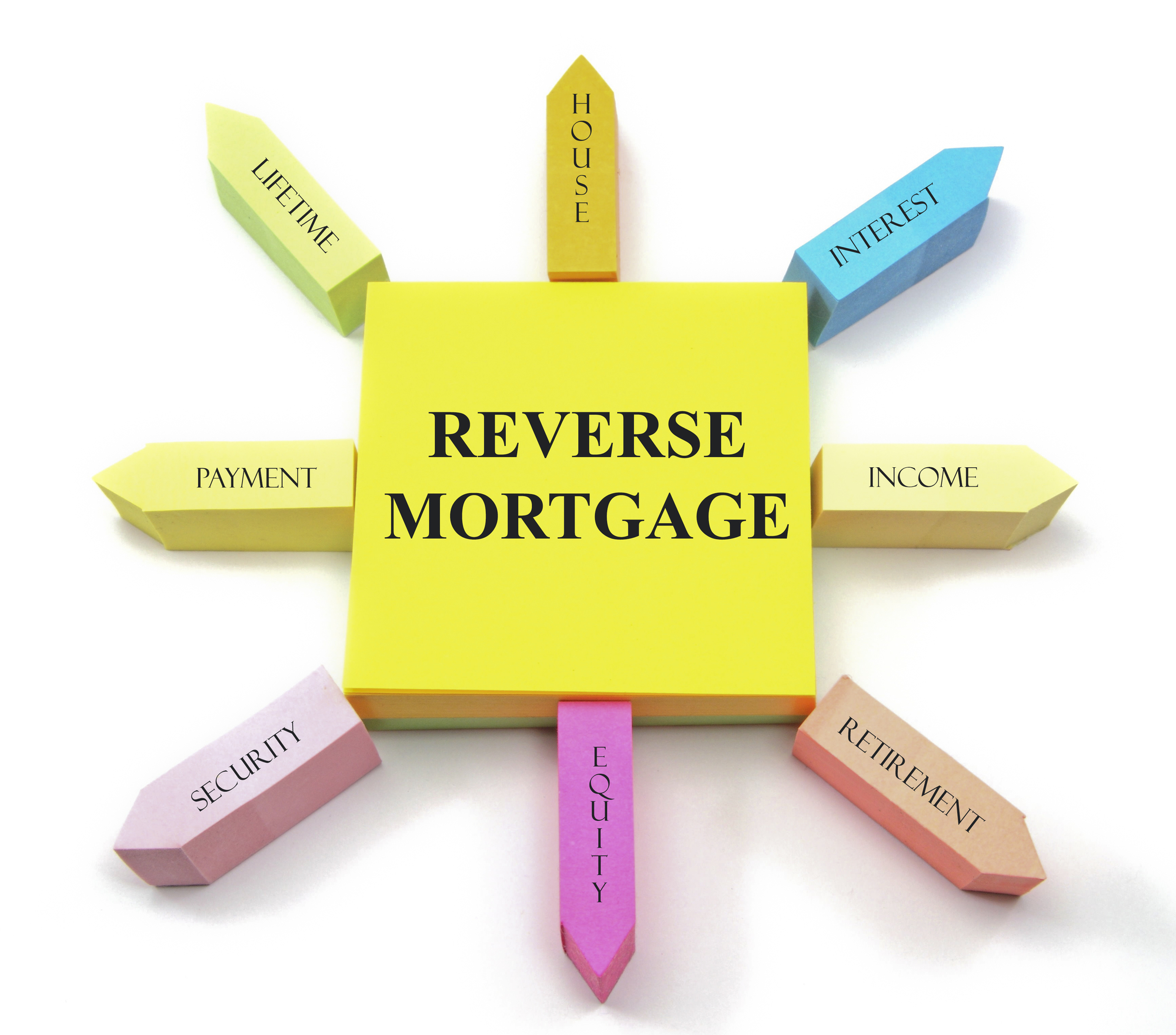
Reverse Mortgage Pittsburgh provides information about home equity conversion loans and other reverse mortgage options that may help eligible seniors access some of the equity they have accumulated.
Before making a decision, it is important to understand how these loans work and what responsibilities remain with the homeowner.
Why Homeownership Expenses Can Become Difficult During Retirement
Owning a home provides stability, but it also involves ongoing financial responsibilities.
Pittsburgh homeowners may face several expenses that create pressure on a fixed income:
Property taxes and insurance premiums.
Heating, electricity, and water bills.
Roof repairs and plumbing problems.
Heating and cooling system replacement.
Routine property maintenance.
Outstanding mortgage payments.
These expenses can become particularly difficult when multiple bills arrive within a short period.
Some homeowners respond by using credit cards, withdrawing retirement savings, or postponing necessary repairs.
However, each option has potential drawbacks.
Borrowing against home equity may provide another alternative, depending on the homeowner's financial position and eligibility.
How Home Equity Could Become a Source of Financial Flexibility
Home equity represents the difference between your property's market value and the outstanding debt secured against it.
For example, a homeowner who has paid down most of their mortgage may have accumulated substantial equity over several decades.
A reverse mortgage allows eligible homeowners to borrow against a portion of that equity.
With a HECM, eligible borrowers can potentially access funds through a line of credit, monthly payments, or other permitted payment arrangements.
The available amount depends on several factors, including:
The homeowner's age.
The property's appraised value.
Existing mortgage balances.
Applicable interest rates.
Program limits and lender requirements.
A reverse mortgage does not mean the homeowner gives up ownership. However, the loan creates a debt secured by the property, and interest and fees increase the outstanding balance over time.
Comparing Reverse Mortgage Programs Available to Homeowners
There are several types of reverse mortgage products worth understanding.
Home Equity Conversion Mortgage
A HECM is an FHA-insured reverse mortgage generally available to eligible homeowners aged 62 and older. It includes specific counseling and financial assessment requirements.
Proprietary Reverse Mortgage
This is a private reverse mortgage product offered under lender-specific terms. Certain programs may accommodate higher-value properties.
Single-Purpose Reverse Mortgage
These loans are designed for specific approved uses, such as qualifying property-related expenses. Availability and eligibility depend on the organization offering the program.
Comparing these options can help you identify which products may be appropriate for your circumstances.
What Happens If You Cannot Afford Your Property Taxes or Insurance?
This is one of the most important considerations when evaluating a reverse mortgage.
A reverse mortgage does not eliminate property ownership expenses.
HECM borrowers must generally:
Keep property taxes current.
Maintain required homeowners insurance.
Keep the property in acceptable condition.
Continue using the home as their principal residence, subject to applicable program rules.
Failure to meet these obligations can result in a loan default and potentially foreclosure.
If you are already struggling with property expenses, consider speaking with a HUD-approved housing counselor and reviewing available local assistance programs before taking on additional debt.
Explore Alternatives Before Making a Financial Commitment
A reverse mortgage should be compared against other possible solutions.
Depending on your circumstances, alternatives may include:
Refinancing an existing mortgage.
Downsizing to a more affordable property.
Exploring Pennsylvania senior property tax relief programs.
Reviewing household expenses and available retirement benefits.
Seeking assistance through local senior support organizations.
The best decision depends on your income, assets, property, family plans, and long-term housing goals.
Speak With Reverse Mortgage Pittsburgh Today
If rising homeownership expenses are making retirement more stressful, learning about your home equity options may be a useful next step.
Reverse Mortgage Pittsburgh offers information about HECM loans, proprietary reverse mortgages, and other home equity conversion options.
Call +1 208-409-3382 to discuss your circumstances and learn what information you may need to evaluate a reverse mortgage.
Understanding the costs and obligations before applying can help you make a more informed decision about protecting your financial future.
Disclaimer: This article provides general financial information only and should not be construed as financial, legal, tax, or mortgage advice. Reverse mortgage eligibility, costs, and loan terms vary. Consult a qualified mortgage professional, HUD-approved housing counselor, and appropriate financial or legal advisers before making a financial decision.